
Top 10 Fire Alarm Distributors in Gujarat: Complete Guide for Businesses & Industries
May 15, 2026
Top Fire Alarm Brands in India 2026: A Guide to Reliable Fire Detection Solutions
August 4, 2026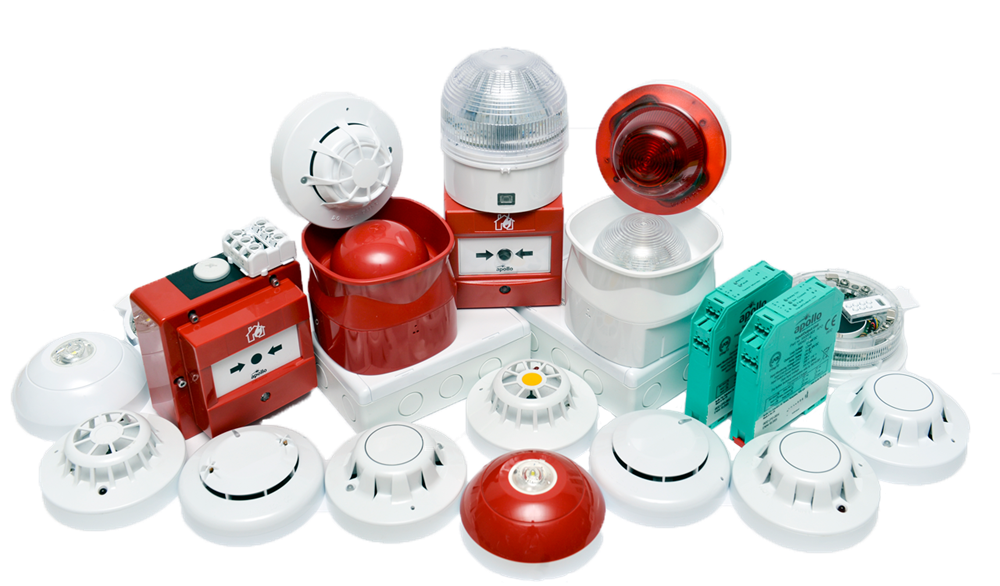
Introduction
Ahmedabad, a cornerstone of India’s industrial and economic growth, is home to sprawling chemical plants, pharmaceutical hubs, textile mills, and manufacturing facilities in regions like Naroda, Vatva, and Sanand. With this dense industrial concentration comes an elevated risk of fire hazards. For industries, a fire alarm system is not merely a regulatory checkbox—it is a critical lifeline that protects human lives, expensive machinery, and business continuity.
When it comes to reliable, high-performance fire detection, Apollo Fire Detectors is a globally recognized name. However, procuring genuine Apollo products and ensuring they are correctly specified, installed, and commissioned requires a specialized distributor. If you are searching for Apollo fire alarm suppliers in Ahmedabad for industrial and commercial projects, you need a value-added distribution partner who understands both the product technology and the rigorous demands of industrial environments. This is where ADIT Innovations bridges the gap, offering unparalleled expertise, genuine components, and end-to-end project assistance.
What Is Apollo Fire Alarm Technology?
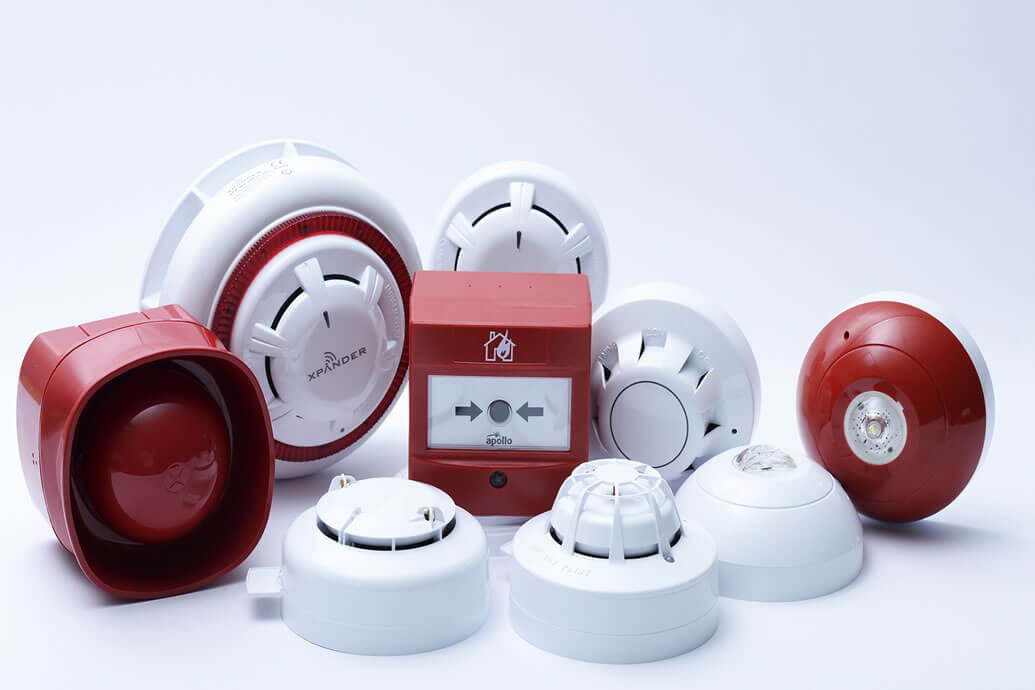
Apollo Fire Detectors Ltd. (part of the Halma Group) is a globally leading manufacturer of commercial and industrial fire detection products. Founded in the UK, Apollo specializes in designing and manufacturing high-quality fire detectors, manual call points, sounders, and interfaces.
In industrial settings, Apollo’s technology is favored for its:
- Analogue Addressable Systems: Devices constantly communicate their current state (smoke density, heat level) to the control panel, allowing for pre-alarm warnings and precise fault diagnosis.
- Conventional Systems: Cost-effective solutions for smaller, isolated industrial zones.
- Integrated Interfaces: Modules that allow fire alarm systems to communicate with Building Management Systems (BMS), HVAC shutdown systems, and industrial suppression systems.
Apollo’s flagship ranges—such as the Series 65 (conventional), XP95 (analogue addressable), and the next-generation Soteria range—are engineered to operate flawlessly in challenging environments, making them the preferred choice for Ahmedabad’s diverse industrial sectors.
Key Features and Benefits
Choosing Apollo fire alarm systems for industrial applications provides several distinct technological and operational advantages:
- False Alarm Immunity: Industrial environments generate dust, steam, and fumes. Apollo’s multi-sensor detectors (combining optical smoke and heat sensing) use advanced algorithms to differentiate between genuine fire phenomena and environmental contaminants, drastically reducing costly false alarms.
- Scalability: Apollo addressable loops can support up to 126 or 254 devices per loop (depending on the protocol), allowing large industrial complexes to be covered efficiently with minimal cabling infrastructure.
- Self-Optimizing Algorithms: The Apollo Soteria range features self-learning algorithms that continuously adapt to the environment, ensuring the highest sensitivity to real fires while maintaining immunity to false triggers.
- Loop-Powered Sounders and Beacons: Apollo offers sounders and visual alarms that draw power directly from the detection loop. This reduces the need for separate power cables, cutting installation time and material costs in large warehouses.
- Mechanical Robustness: Built to withstand industrial vibrations and electromagnetic interference, Apollo devices comply with stringent European (EN) and international standards for electromagnetic compatibility (EMC).
Applications and Industry Use Cases
Ahmedabad’s industrial landscape is varied. Apollo’s diverse product portfolio caters to the specific demands of these sectors:
1. Pharmaceutical and Chemical Plants (Vatva, Ankleshwar)
- The Challenge: High presence of chemical vapors, fluctuating temperatures, and cleanroom environments where false alarms can halt expensive production batches.
- The Apollo Solution: Apollo’s heat detectors with fixed temperature and rate-of-rise settings, alongside specialized multi-sensors, are deployed. Integration modules interface with gas suppression systems to release clean agent chemicals upon verified detection.
2. Textile Mills and Warehouses (Naroda, Odhav)
- The Challenge: Heavy lint and dust generation, which can trigger standard optical smoke detectors, combined with high-ceiling spaces where smoke stratification occurs.
- The Apollo Solution: The use of beam detectors alongside Apollo’s high-performance optical smoke detectors equipped with drift compensation. The system compensates for the gradual build-up of dust on the sensor chamber, alerting maintenance teams for cleaning before a false alarm occurs.
3. Automotive and Heavy Manufacturing (Sanand)
- The Challenge: Harsh environments with welding fumes, exhaust gases, and high ambient noise levels.
- The Apollo Solution: Apollo’s specialized heat detectors and flame detectors are used in paint booths and welding areas. Loop-powered beacons provide visual alerts in high-noise zones where audible sounders might be missed.
4. Food Processing and Packaging
- The Challenge: Cold storage areas where standard detectors may freeze or condense.
- The Apollo Solution: Specialized temperature-rated detectors and weatherproof housings (IP66/IP67 rated) ensure reliable operation in chiller rooms and processing areas where washdowns occur.
Technical Considerations
Specifying an Apollo fire alarm system for an industrial facility requires careful engineering. System integrators must account for the following technical parameters:
- Loop Loading and Voltage Drop: Calculating the maximum loop resistance is critical. In large industrial campuses, long cable runs between the panel and field devices can cause significant voltage drops. Using Apollo’s protocol specifications ensures the loop voltage remains above the minimum threshold (e.g., 17V for XP95) even under fire alarm conditions.
- Device Addressing and Zoning: Per the National Building Code (NBC) of India, a single detection zone should not exceed 2000 sq. meters, and a single loop should not cover more than one floor. Proper mapping of Apollo addressable devices to physical zones is vital for compliance.
- Cable Selection: Fire alarm cables must be fire-resistant. As per IS 1673 and NBC guidelines, industries must use FRLS (Fire Retardant Low Smoke) or FP (Fire Performance) cables to ensure the system survives long enough to initiate evacuation and suppression.
- Integration with Industrial Control Systems (ICS/SCADA): Apollo systems use interface modules (such as XP95 Switch/Monitor modules) to send dry contacts to PLCs/SCADA systems for automated shutdowns of AHUs, fuel lines, or industrial ovens.
Standards, Certifications and Compliance Requirements
Fire safety in Indian industries is governed by strict regulations. Using Apollo products through ADIT Innovations ensures compliance with the following:
- National Building Code (NBC) of India 2016 (Part 4): Dictates the design, installation, and maintenance of fire and life safety systems. Apollo’s addressable systems easily meet the NBC’s stringent requirements for zone identification and evacuation protocols.
- Bureau of Indian Standards (BIS): IS 2189 covers the code of practice for the installation and maintenance of fire alarm systems. Apollo products align with the performance criteria required by this standard.
- LPCB (Loss Prevention Certification Board): Apollo detectors are rigorously tested and certified by the LPCB (marked with the LPCB logo and certified to EN 54). This certification is highly regarded by industrial insurers in India, as it guarantees the product will perform as specified, potentially lowering insurance premiums.
- EN 54 (European Standard): The global benchmark for fire detection and fire alarm systems. Apollo’s Series 65, XP95, and Soteria ranges are fully EN 54 certified by notified bodies.
- UL (Underwriters Laboratories): Certain Apollo products carry UL listing, satisfying compliance requirements for multinational corporations operating in India.
How to Choose the Right Solution
Selecting the right Apollo fire alarm system requires a strategic approach:
- Conduct a Thorough Risk Assessment: Identify the fire load, environmental conditions (dust, temperature, humidity), and the operational criticality of each zone.
- Choose the Right Detection Protocol:
- Use Apollo Series 65 (Conventional) for small utility blocks or standalone pump houses.
- Use Apollo XP95 (Addressable) for vast manufacturing floors where pinpoint accuracy is required.
- Use Apollo Soteria for high-value environments where the highest level of false alarm immunity is necessary.
- Plan for Future Expansion: Specify Apollo panels with unused loop capacities to accommodate future factory expansions.
- Engage a Value-Added Distributor: Partner with a supplier who does more than just sell hardware. You need a distributor who can assist in system design, provide technical training, and ensure genuine product availability.
Common Challenges and Best Practices
Challenge 1: Spurious False Alarms in Harsh Environments
- Best Practice: Utilize Apollo’s multi-sensor detectors. Configure them to operate in “heat-only” or “high-threshold” mode during the day when manufacturing byproducts are present, and switch to a highly sensitive “combined smoke and heat” profile during non-working hours.
Challenge 2: Maintenance and Device Degradation
- Best Practice: Leverage Apollo’s remote diagnostic capabilities. Modern Apollo panels can report the “dust contamination level” of each analog addressable detector, allowing facility managers to schedule targeted cleaning rather than盲目 (blind) annual maintenance, saving time and cost.
Challenge 3: Integration Silos
- Best Practice: Do not treat the fire alarm as a standalone system. Utilize Apollo’s BMS integration modules to ensure that upon a fire alarm, the access control system automatically releases magnetic locks, HVAC systems shut down to prevent smoke spread, and the PA system overrides with evacuation messages.
Why Businesses Choose ADIT Innovations
When sourcing Apollo fire alarm products in Ahmedabad, industries require a distribution partner with deep technical roots and reliable logistics. ADIT Innovations stands out as the preferred choice for system integrators and industrial buyers due to its comprehensive value-added approach:
- 20+ Years Experience: Leveraging over two decades of expertise in Manufacturing, System Integration, and Electronic Security Solutions, ADIT Innovations understands the nuanced needs of industrial fire safety.
- Technical Support: We provide pre-sales and post-sales technical engineering support, assisting with system architecture, loop calculations, and panel programming.
- Product Training: We conduct regular product training and certification workshops for system integrators and facility managers, ensuring they are fully equipped to install and maintain Apollo systems.
- Competitive Pricing: Through robust supply chain management, we offer highly competitive pricing on Apollo fire alarm components without compromising on quality.
- Ready Stock Availability: Our strategically located warehouses ensure the ready stock availability of critical Apollo components, minimizing project downtime.
- Project Assistance: From site surveys to BOQ (Bill of Quantities) finalization and NBC compliance mapping, our team offers end-to-end project assistance.
- Nationwide Distribution Network: While we are a premier supplier in Ahmedabad, our nationwide distribution network ensures seamless delivery and support across India.
- After-Sales Service: Our commitment extends beyond delivery. We offer robust after-sales service, warranty management, and replacement support.
- Latest Technologies: We ensure our clients have access to the latest technologies from Apollo, including the Soteria range and advanced integration modules.
Frequently Asked Questions (FAQ)
1. Why are Apollo fire detectors preferred for industrial environments in Ahmedabad?
Apollo detectors are preferred due to their high false alarm immunity, robust build quality, and compliance with global standards like EN 54 and LPCB. Industries dealing with dust, fumes, and temperature variations rely on Apollo’s multi-sensor technology and self-optimizing algorithms for reliable detection.
2. What is the difference between Apollo Series 65 and Apollo XP95?
Apollo Series 65 is a conventional fire detector range where devices are wired in zones, ideal for smaller areas. Apollo XP95 is an analogue addressable range where each detector has a unique address and communicates real-time data (like smoke density) back to the panel, making it suitable for large, complex industrial facilities.
3. How do Apollo fire alarm systems comply with Indian fire safety regulations?
Apollo systems comply with the National Building Code (NBC) of India 2016, Part 4, and relevant IS codes (like IS 2189). Their addressable capabilities meet NBC requirements for pinpoint zone identification, and their FRLS compliant designs ensure operational integrity during a fire.
4. Can Apollo fire alarm systems be integrated with industrial BMS and HVAC systems?
Yes. Apollo offers a wide range of interface modules (such as switch/monitor modules and RS232/RS485 interfaces) that allow seamless integration with Building Management Systems (BMS), SCADA, and HVAC systems for automated emergency responses like air handling unit shutdowns.
5. How does ADIT Innovations ensure the authenticity of Apollo products?
As a leading Value Added Distribution Company, ADIT Innovations sources directly from authorized channels and maintains strict supply chain traceability. We provide genuine Apollo products with valid manufacturer warranties and LPCB/EN 54 certifications.
6. What support does ADIT Innovations provide to system integrators installing Apollo systems?
We provide comprehensive project assistance including BOQ preparation, loop calculation support, wiring diagrams, on-site technical support, and formal product training sessions to ensure flawless installation and commissioning.
7. Are Apollo fire detectors suitable for high-ceiling industrial warehouses?
Yes, but careful design is required. For high ceilings where smoke stratification can occur, Apollo heat detectors, beam detectors, or aspirating smoke detection systems (interfaced with Apollo panels) are recommended based on the specific ceiling height and ambient conditions.
8. How often should Apollo fire alarm systems be maintained in an industrial setting?
As per IS 2189 and NBC guidelines, fire alarm systems should be inspected weekly, with monthly and quarterly checks. A comprehensive servicing by a trained technician should be conducted annually. Apollo’s analog addressable systems allow for continuous remote monitoring of sensor health, aiding predictive maintenance.
Conclusion
Industrial fire safety is a critical investment that demands uncompromising quality, precise engineering, and reliable supply chains. Apollo Fire Detectors provide the technological superiority required to safeguard Ahmedabad’s vital industrial infrastructure against fire threats. However, the efficacy of these systems relies heavily on the expertise of the supplier and integrator.
By partnering with ADIT Innovations, industries, consultants, and system integrators gain access to authentic Apollo fire alarm solutions backed by 20+ years of domain expertise, ready stock, and comprehensive technical support. Don’t leave your facility’s safety to chance.
Ready to specify or procure Apollo fire alarm systems for your industrial project? Contact ADIT Innovations today for project assistance, competitive pricing, and expert technical consultation.
About ADIT Innovations
ADIT Innovations is a leading Value Added Distribution Company with 20+ years of experience in Manufacturing, System Integration, Distribution, and Electronic Security Solutions. We provide a comprehensive portfolio of solutions including CCTV Systems, Fire Alarm Systems, PA Systems, Access Control Systems, Time Attendance Systems, Audio Video Solutions, Networking Infrastructure, Electronic Locks, Wireless Security Systems, IBMS Solutions, Rack Solutions, and related technologies across India. Our commitment to bridging cutting-edge technology with industry requirements makes us the trusted partner for consultants, system integrators, and enterprises nationwide.
Editorial Note
This article has been prepared using verified manufacturer documentation, industry standards (NBC, BIS, EN, LPCB), regulatory guidelines, and practical industry experience in system integration and distribution. All technical specifications and compliance standards mentioned are based on publicly available, authoritative sources.
References
- National Building Code of India 2016 (Part 4) – Fire and Life Safety. Bureau of Indian Standards.
- IS 2189: 1988 (Reaffirmed 2017) – Code of Practice for Installation and Maintenance of Fire Alarm Systems. Bureau of Indian Standards.
- EN 54 Series – Fire detection and fire alarm systems. European Committee for Standardization (CEN).
- Loss Prevention Certification Board (LPCB) Standards – Red Book Live, Certification of Fire Detection Products. BRE Group.
- Apollo Fire Detectors Ltd. – XP95 Technical Product Guide and Soteria Discovery Series Technical Manual.
- NFPA 72 – National Fire Alarm and Signaling Code. National Fire Protection Association.
- IS 1673: 2017 – Code of practice for fire safety of buildings (General): Electrical installations. Bureau of Indian Standards.